What the CRT actually do, when it comes to protecting their precious Tequila
Updated: Nov 8, 2025

Many of you who will have talked to us about agave spirit in the past have asked us: What actually happens when someone sells a drink that uses the word “tequila” on it, if they have not registered their brand with the relevant authority in Mexico (the CRT)?
We decided to take a deep-dive into the matter recently, the results of which we are sharing with you today.
First, a Recap on the Definition of Tequila
Officially, “Tequila” in the context of the drink is a distilled spirit with an ABV of 35-55%, from at least 51% Blue Weber agave pines (In the case of Tequila Mixto) or 100% Blue Weber agave pines (In the case of 100% Tequila), that was produced according to the prescribed production methods by the official Mexican standard NOM-006-SCFI-2012, in one of the five authorised areas covered by the Appellation of Origin in Mexico.

Furthermore, if you want to export tequila in bulk for bottling abroad, and market your product as “tequila”, then you will have to register your brand with the respective Mexican regulatory council called the Consejo Regulador del Tequila (CRT), and tie yourself into a supply agreement with a fixed Mexican tequila distillery (And, if you don’t bottle the tequila yourself, a third-party bottler) by means of a so-called Convenio de Corresponsibilidad (Co-Responsibility Agreement).
The Protection of Tequila
Why all this fuss?
Well, there are several elements to consider:
One is that tequila is something of a national treasure in Mexico; it is a product that is highly valued and esteemed both locally and around the world, and therefore a hallmark of quality. In that sense it is a deep source of pride for the country, which the government takes great care to protect.
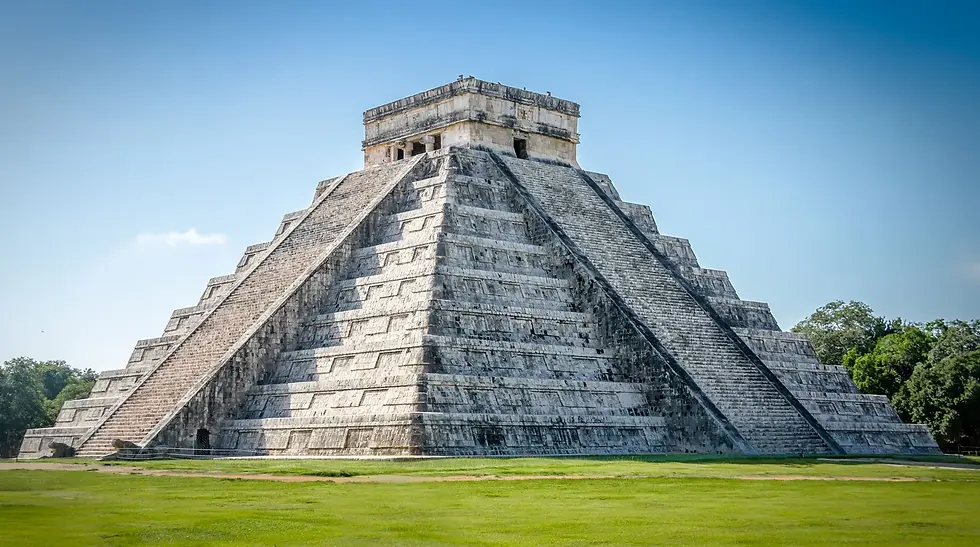
Protection happens on a brand supervision level, ensuring that anyone who uses the product and term “tequila” around the world uses the liquid in keeping with the Mexican regulations, and that Mexico and its people are not ridiculed by the brand owners.
Protection also happens on a Geographical Indication (GI) level, whereby only agave spirit that was distilled in Mexico according to the above mentioned criteria can be called “tequila”. This follows the same lines of thought as Cognac in France, or Scotch Whisky in the UK.
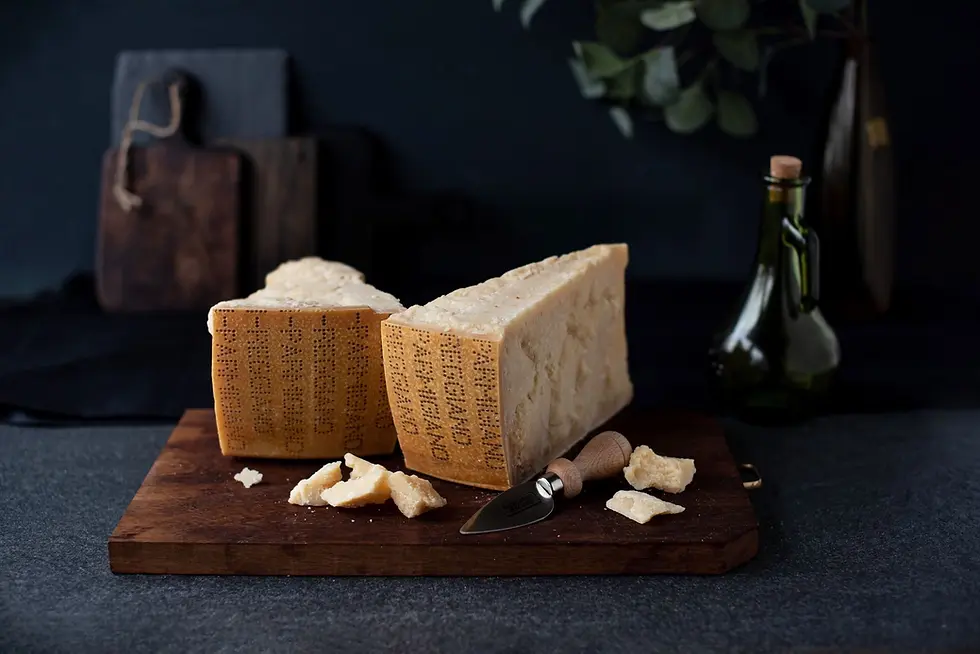
And protection is also established, perhaps most importantly, on a production level, by ensuring that the tequila producers in Mexico don’t cut any corners and only manufacture and market “tequila” that is of the high quality and product integrity that the term “tequila” demands. In that sense, it is also a quality standard.
The Role of the CRT
The CRT controls all of that?
Yes, and they are not the only ones. Since the CRT's duties are quite widely spread, there are areas that they focus on, and others where other organisations can come to the CRT's assistance.

In Mexico, where the production happens, the influence and control of the CRT are the most noticeable. Not only are the distilleries and agave growers held to the highest account. If you are a brand-owner who is registered with the CRT, you will know that the whole process of exporting tequila is highly bureaucratic, and if anything looks even slightly out of place, you may suffer delays or even bans on your exports until all of the red tape will have been complied with. Supposedly, and admittedly probably also factually, this protects the integrity of tequila, as in you can be sure you will get the real deal when you purchase “tequila” by following all of the official steps. But it also means you are a lot more stifled.
Overseas, the CRT is also active in monitoring who uses and markets tequila. There are some markets that it monitors very actively (The US being the prime example), some markets where it is more reactive, and some where it probably recognises that trying to enforce their GI could be rather tricky (Especially in countries where the rule of law is rather, shall we say, lax).

Where the CRT does put its feet down pretty firmly and rapidly appears to be mainly in cases where the brand owners are quite high-profile (Think of Diageo with their Casamigos and Don Julio controversy; Elon Musk’s failed attempt to launch a “Teslaquila”; or Kendall Jenner’s 818 brand). In many of those cases, the investigations centre more around what is in these tequilas (I.e. are the really made from 100% Blue Weber agave pines, as the brand owners claim, or do they also contain something else, either in the mash or as a liquid blend component, in order to lower the costs of the final product).
Tequila and Australia
That is all very interesting, but how does this affect me in Australia?

Even in markets like Australia, where we have not seen a high-profile investigation by the CRT into a tequila brand yet (At least none that has been under the public spotlight), do note that “tequila” is protected as a Certification Trade Mark (By IP Australia and the ACCC), and as such anybody found using the tequila GI without following the rules is liable to heavy penalties under Australian Consumer Law, if you are taken to court and found to be at fault.
How do I know if someone is cheating?

The most obvious sign would be the lack of the so-called NOM number on the label of the branded product. This is a four-digit identifier that shows which officially recognised tequila producer in Mexico the brand owners are tied to and who they source their tequila from (Like NOM-1492-CRT). It is not optional for a tequila brand to display the NOM number on the label; it is mandatory under the CRT’s rules. Therefore, if there is no NOM number shown, then the product inside it is either not in compliance with the labelling regulations (Even if a Co-Responsibility Agreement exists), or it is simply not tequila; there is no arguing one’s way out of this.
Finding out whether a tequila is really a “100%” or a Mixto is harder, but not impossible; it requires rather sophisticated testing of isotopes and congener profiling in high-tech labs that can ultimately determine whether an agave spirit was made entirely from agave piñas, or also from something else.

Remember that anyone can give a tip-off to the CRT or file a legal claim against anyone whom they suspect of using the term tequila incorrectly or illegally. That could be a single, passionate consumer, a consumer advocacy group, or - perhaps most likely - a competitor. Unless the brand owner can clearly prove that they have registered their brand with the CRT and adhered to all of its rules and regulations, it will be very difficult to defend their case.
So if registering my brand in Mexico to be able to use the word “tequila” is so cumbersome, and if not buying officially regulated “tequila” is so risky, what should I do?

Luckily, there is a safe path through this jungle: Many of the established tequila distilleries in Mexico do also sell their high-quality and reliable wares as “agave spirit” in bulk. Since this term is not regulated, you do have to be very careful whom you deal with. There are still a lot of unscrupulous suppliers out there that will look very professional and trustworthy on the surface, but they will know many tricks to take you for a ride one way or another. Be especially wary of (much) lower than average market prices, of anyone trying to rush you into a deal, distilleries who are quite new or who don’t have a tequila NOM number themselves, and do dou
ble and triple check every document that you get from them, especially in our current age with easy access to AI.
As for us, we have deliberately decided to source from one of the most established and oldest tequila distillers in Mexico, whom we have met in person, who we have had very good references for, and whom we have had excellent experiences with ordering from so far.

So if you want to skip worrying about who you are going to get your agave spirit (or tequila!) from, come to us, and leave the hard work to us. We specialise in these highly regulated types of spirits, so that you can focus on the much more important things for your business, such as how to sell more of your SKUs, more profitably.

Comments